Founder Profile: DCentrica
Russ Michell - New Zealand


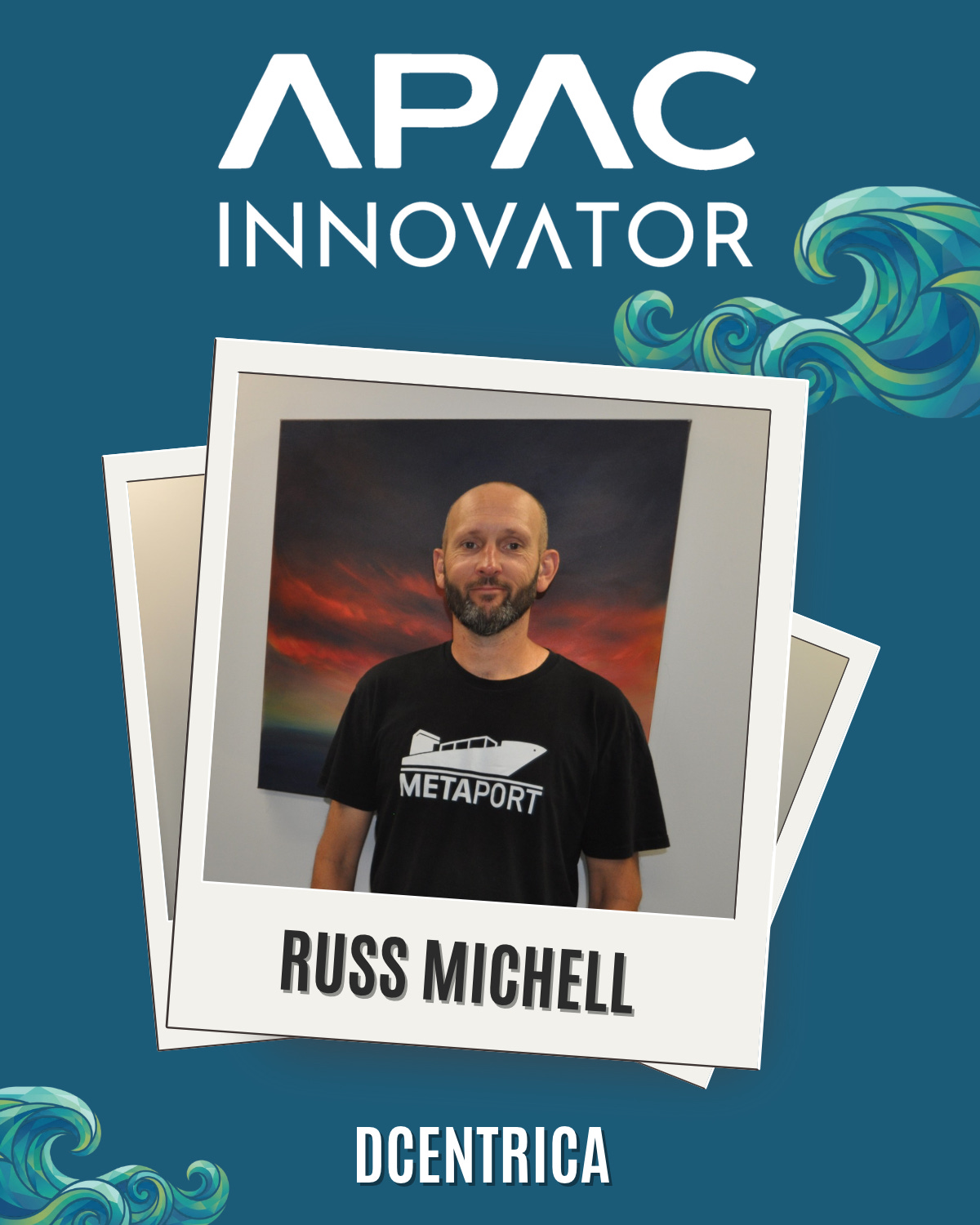
What Does Your Company Do?
“We build a product called MetaPort under Dcentrica, designed to give software delivery teams, executives, and government agencies a clear 10,000-foot view of their web application portfolio health, maintenance, and security. Having worked for years across medium to large New Zealand web development agencies, I saw how post-go-live care was handled. Most vendors can build a great web app, but post-launch security, maintenance, and end-of-life planning are often treated as an afterthought. Well-resourced clients paying the most money get all the attention, while everyone else gets managed through static spreadsheets or wikis that fall behind reality almost immediately.
MetaPort solves that by providing an automated macro view across an entire suite of applications, catching upgrade deadlines and security vulnerabilities before they turn into emergencies. Lately, we have taken that further by building a Model Context Protocol (MCP) server. That means tech leads and executives do not even have to log into our dashboard if they do not want to (they can plug MetaPort straight into their existing AI workflows using tools like Claude or GitHub Copilot as just another automated data source).”
What Inspired You To Start It?
“The idea came directly out of my own frustration over a 20-year career as a web developer working in delivery agencies. In our industry, many of us came up during the late 1990s and early 2000s web boom when security hardening and formal lifecycle standards were not baked into the development culture the way they were in traditional software engineering.
Unless a customer had suffered an actual security breach or called up demanding to know why their platform was running end-of-life software, maintenance just was not on the radar. Companies were constantly relying on luck or scrambling during incident response. During the COVID lockdowns, having extra time at home outside of my day job allowed me to step back and code the initial open-source solution to address this gap. I knew from my own experience that project managers, developers, and client leads needed a dedicated tool to proactively track when systems were going out of support. After testing the concept and getting feedback across Wellington and Auckland, I formally registered Dcentrica in November 2024 to turn MetaPort into a proper productionised platform.”
What Is One Win (big or small) You’re Celebrating Now?
“Getting accepted into Creative HQ’s GovTech programme was a massive milestone for us. Out of more than 50 applicants, we were chosen alongside 10 other startups. That validation came after just a couple of emails and conversations, proving that our value proposition for government agencies managing complex web portfolios really hit the mark. The level of insight and market knowledge we have gained over just the last two months on the programme has been exponential.
Alongside that, adapting to the agentic AI movement by building a Model Context Protocol (MCP) server has been a huge technical win. When potential clients initially asked how MetaPort would fit into their existing workflows alongside Atlassian, GitHub, or Jira, it forced us to look beyond a traditional GUI dashboard. Now, developer leads and executives can seamlessly connect MetaPort directly into AI assistants like Claude or Copilot, letting AI pull macro health data straight into their day-to-day environment.”
What Is One Lesson You Wish You Learned Earlier?
“As a developer, I fell straight into the age-old trap of hiding behind my keyboard to build features instead of getting out to canvas the market early. Plenty of founders warned me about it, but I did it anyway because coding is comfortable and familiar after 20 years.
The biggest lesson was discovering that the fear of talking to real users is easily overcome once you just do it. Whether user feedback is positive or critical, it is just data you can use to steer the product. When you do not talk to customers for a few days, your brain fills the silence with self-doubt.
I also had to learn how to navigate the classic vitamin versus painkiller challenge. Unless an organisation has experienced a major hack or system outage, proactive software maintenance can feel like an insurance policy (something people ignore until something goes wrong). Learning to communicate MetaPort’s value so executives see it as essential risk prevention rather than an optional extra has been a continuous learning curve.”
How Do You Keep Your Energy Up On Tough Days?
“I rely on a few grounding habits to reset my perspective. Taking my dogs for a walk while listening to technical podcasts is a big one. Whenever a podcast host mentions a major application maintenance or security headache in passing, it gives me an immediate burst of energy because it confirms MetaPort is solving a real, widespread problem.
I also run a quick mental sanity check. I tell myself, “You felt great about the business yesterday and literally nothing has changed in 18 hours, so why doubt it today?” Going back to base tenets reminds me why I started Dcentrica in the first place (not just to make money, but to fix a broken process I watched teams struggle with for two decades).
Finally, having a solid cofounder with different strengths makes all the difference. When I get stuck in my head or start venting, my cofounder calmly steps in and reminds me of where we were a year ago, pointing to our demo signups, user feedback, and traction. You cannot always see progress when you are immersed in it, so having a partner to provide that objective view is invaluable.”
Learn More
Who: Q&A with Russ Michell, CEO and cofounder of DCentrica
HQ: New Zealand
Web: dcentrica.com
Discussion about this post